

Designing for STEAM Education: Full STEAM Ahead
Written by Tricia Monaco, NCIDQ | Architectural / Interior Designer / Senior Associate
Today’s educational facilities have expanded and adapted to the STEAM (science, technology, engineering, art, and math) curriculum concept. Schools and individual instructional spaces have become more flexible, adaptable, and collaborative to support project-based learning. Leaders in K-12 education have an important responsibility to create these modern learning environments to support students of all ages.
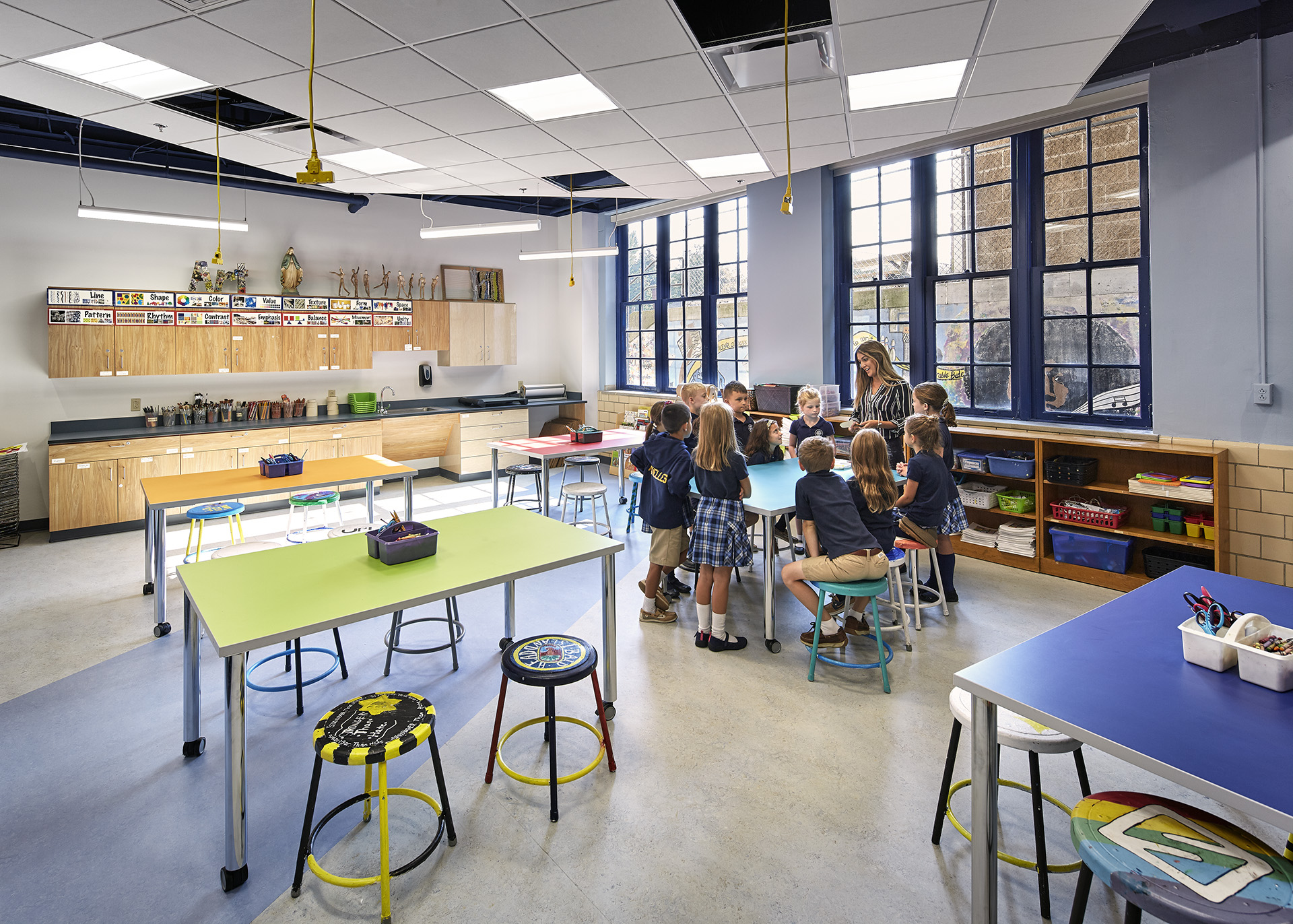
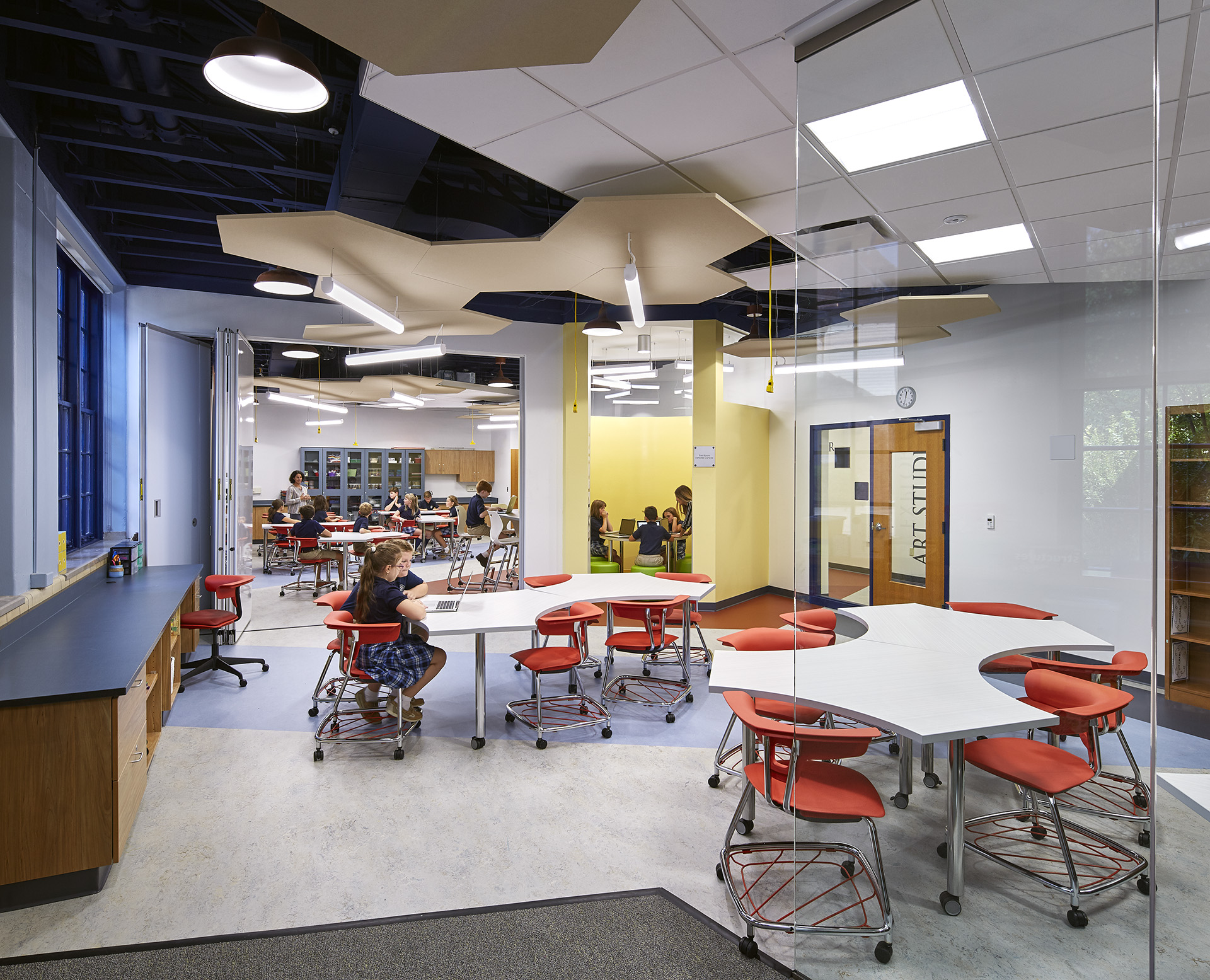
A launchpad for young thinkers & makers – St. Bede STREAM Classrooms (Ed Massery Photography)
DRAW Collective emphasizes educational spaces that support student interaction with flexible furniture, casework, and even operable walls to open spaces. DRAW is dedicated to working closely with clients to develop a concept that supports instruction and allows for growth and change. These STEAM spaces spark excitement and encourage interaction between students. A STEAM space may have 3D printer farms, laser engravers, and even drill presses. The space may be outfitted with flexible furnishings and feature an open floor plan that supports reconfiguration and group learning, enabling students to achieve their goals.
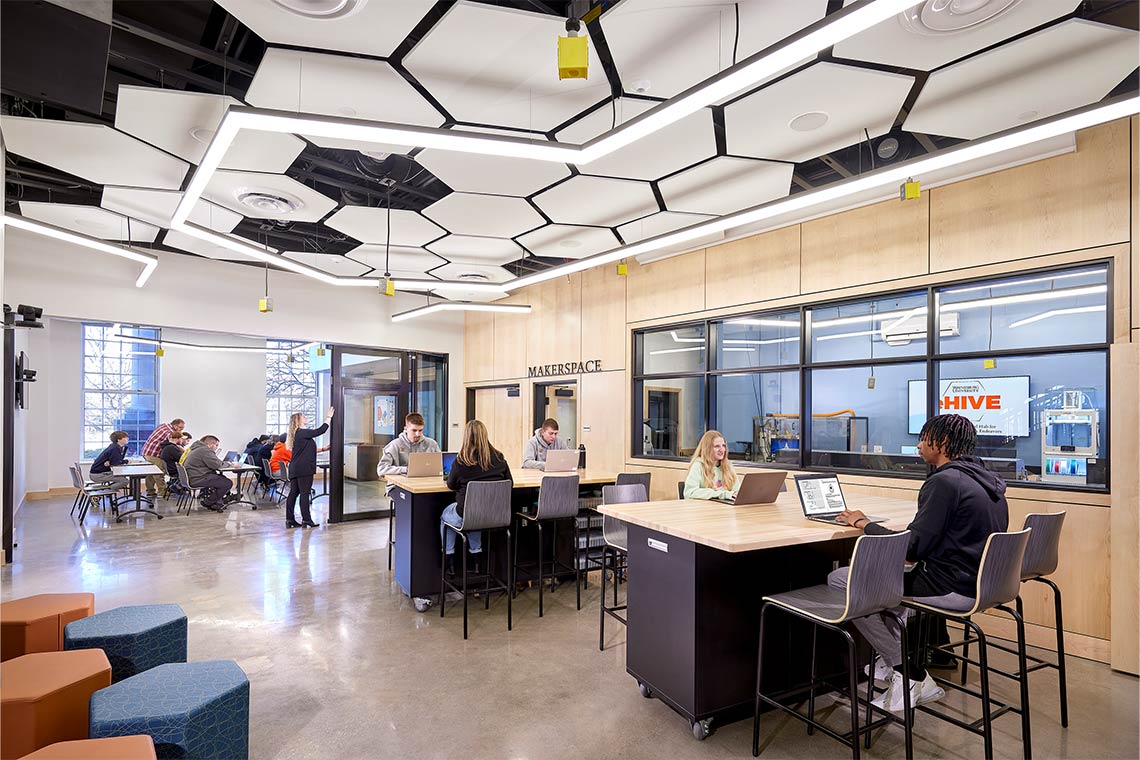
Moveable wall in higher learning makerspace environment – Waynesburg University eHIVE (Ed Massery Photography)
At Knoch High School, DRAW Collective designed a new STEM wing, the Brayman Innovation Center, which features advanced STEM labs and technology education classrooms equipped for robotics, fabrication, high-tech machine operation, and 3D printing, supporting hands-on learning for the next generation of builders, creators, and innovators. In parallel, the team upgraded science classrooms and labs throughout the existing building, reconfiguring and expanding them to better support modern instruction.
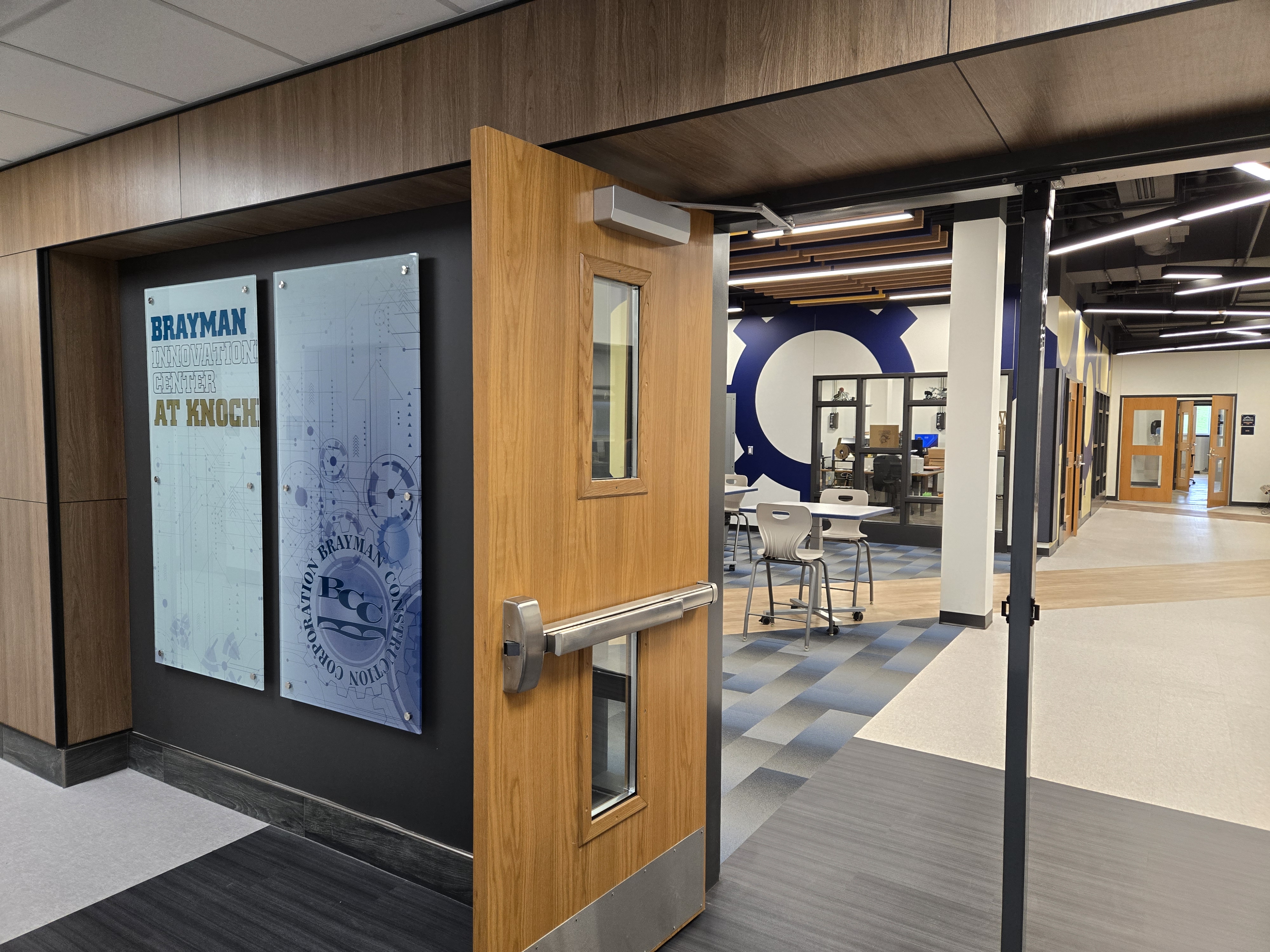
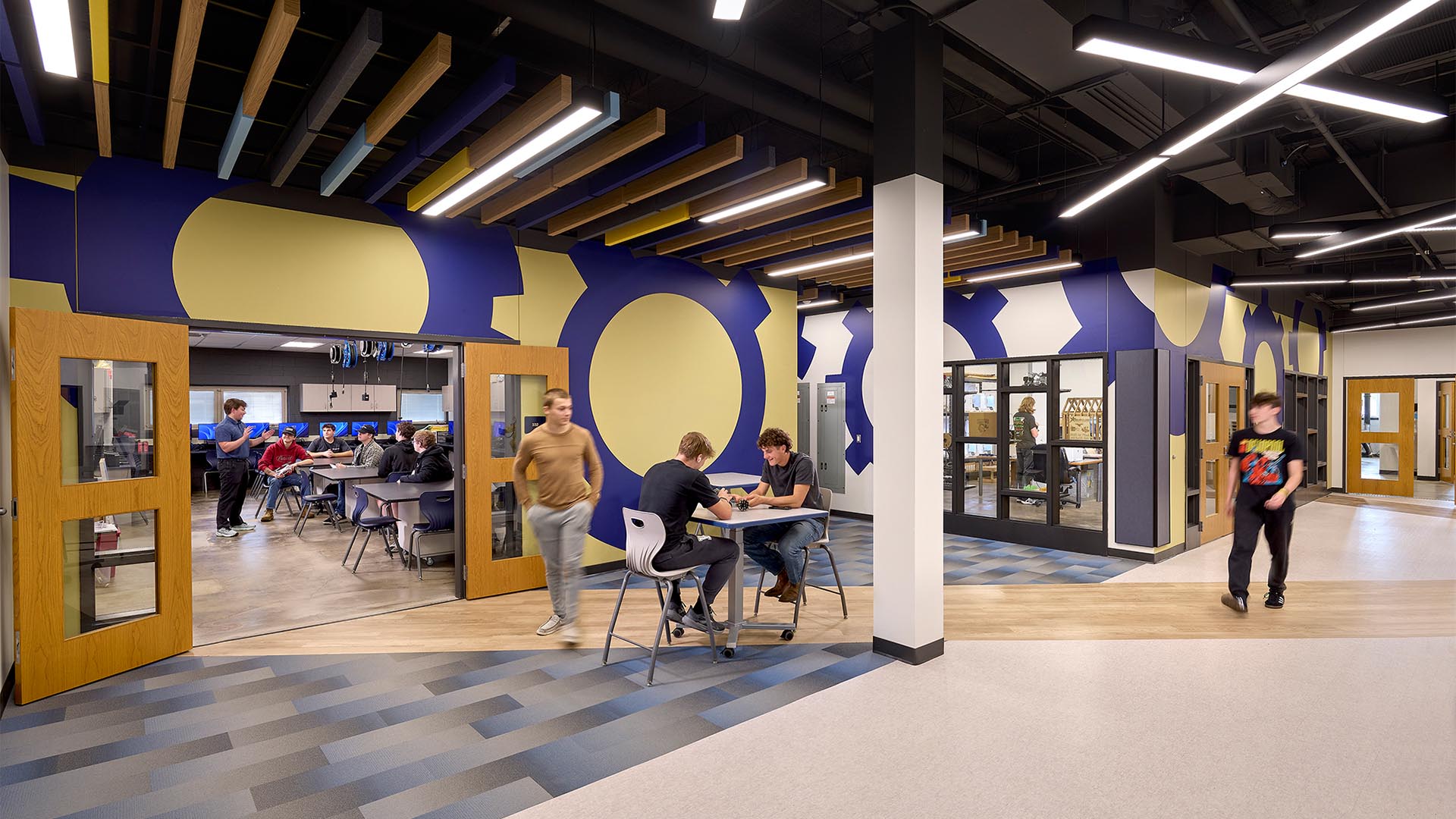
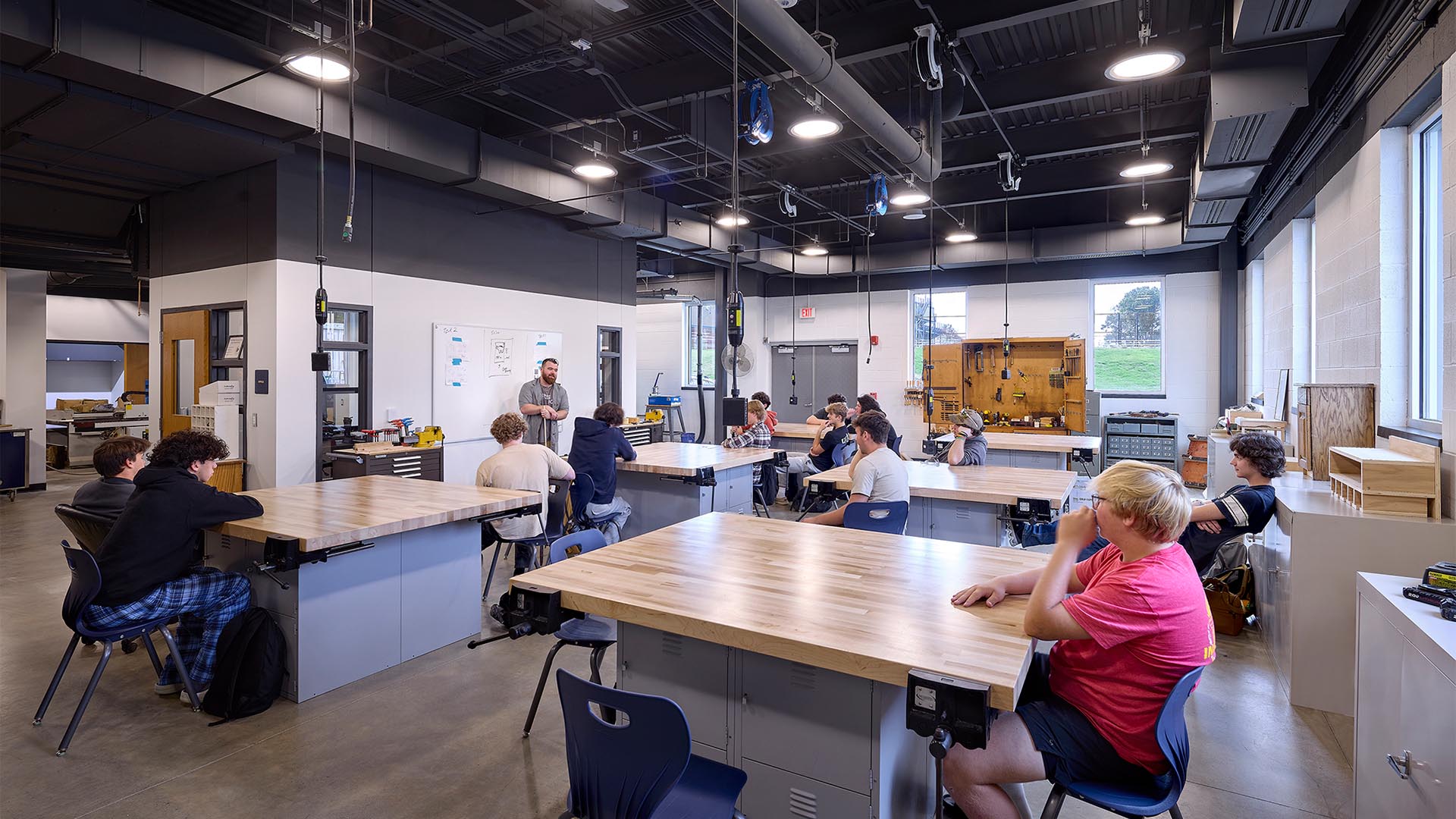
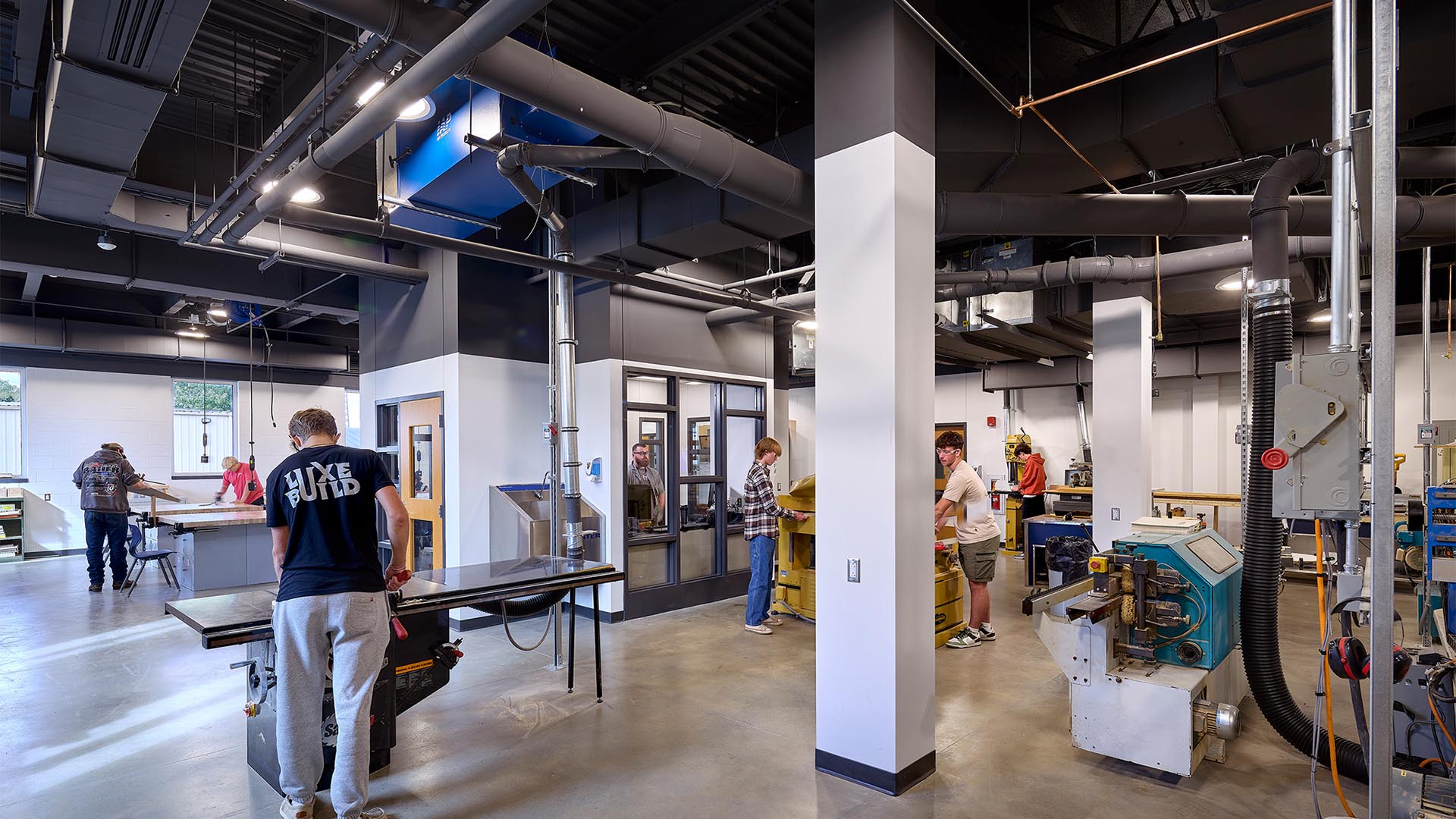
Designing for Student Engagement – Knoch High School New Technology Education Suite (Ed Massery Photography)
Similarly, at Grove City High School, improving infrastructure and STEAM spaces were key priorities during design and planning. In support of the District’s commitment to expanding student learning opportunities, DRAW Collective enhanced several existing spaces throughout the school, including the entire technical education suite. This suite now features upgraded areas for robotics, 3D printing, a woodshop, a computer lab, and a ceramics studio. These spaces play an important role in the student experience and in preparing students for life after graduation. They create opportunities for students to explore different pathways and develop skills that support their future plans, whether that leads to a trade school or a university.
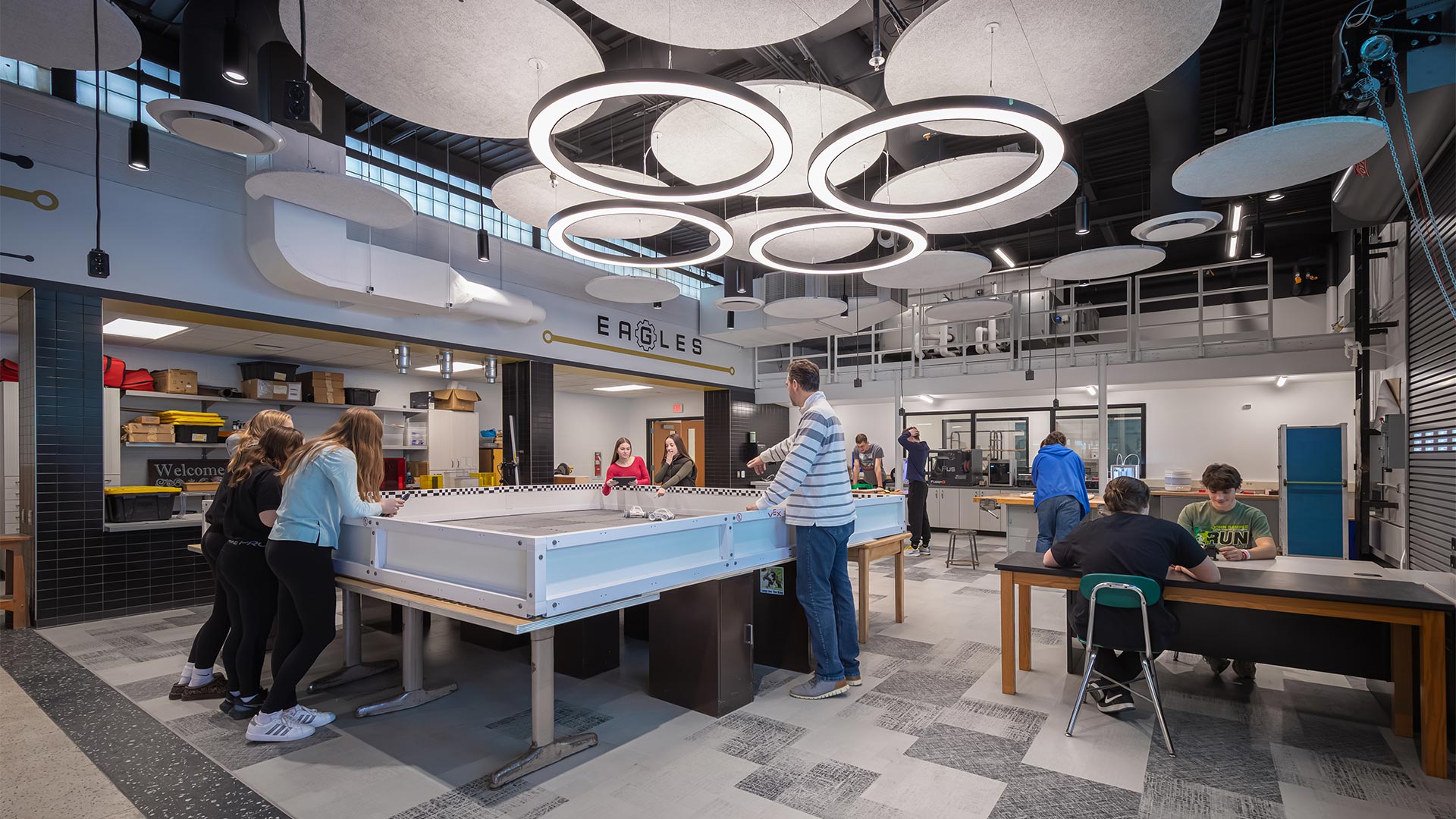
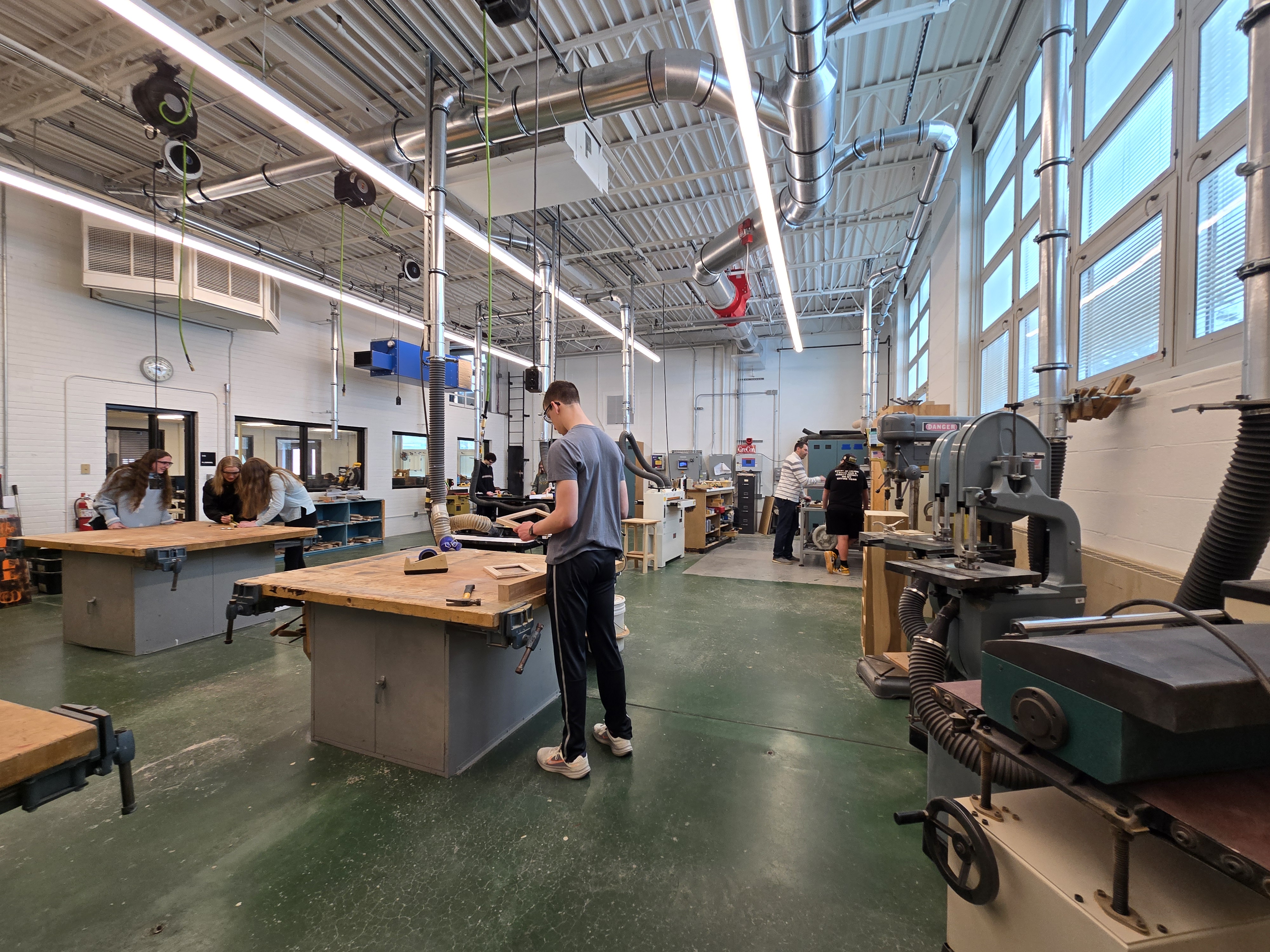
Revitalized STEAM & Technology Spaces – Grove City High School Arts & Technology Renovations (DRAW Collective / Adam Warner)
The STEAM learning approach encourages students’ creativity, design thinking, technology literacy, collaboration, and problem-solving skills to help them accelerate as students. Students in the STEAM curriculum can increase their learning, social, communication, and problem-solving skills through collaborative and exploratory projects. Exposing students to these concepts throughout their academic career provides them with the opportunity to apply these techniques to “real” world situations in their future. What was once a teacher-centered classroom is now shifting toward a student-centered environment that treats the teacher as a resource rather than a lecturer.

Tricia Monaco is an Architectural & Interior Designer / Senior Associate at DRAW. As an experienced K-12 designer, Tricia focuses on designing spaces that balance aesthetic quality with strong form and function with the use of forward-thinking solutions to create learning environments that support engagement and success.