

Written by Chris Brown, AIA, LEED AP BD+C | Principal and Higher Education Studio Leader
Campus dining is undergoing a revolution. What was once centered around large dining halls and buffet lines is now being reshaped by mobile apps, delivery robots, and decentralized pickup points. These platforms have revolutionized dining by offering a wide range of meals without the need to dine in. This shift is not only reshaping the way people eat but is also having a profound impact on student life on college campuses. For architects, this presents both a challenge and an opportunity: how do we design spaces that support convenience without sacrificing community?
Digital Dining: The Emergence of Campus Food Apps
University dining services have increasingly turned to mobile apps to enhance the dining experience for students. Initially, these efforts have included partnerships with popular food delivery services like DoorDash, Uber Eats, and Grubhub. These partnerships enable students to order from local restaurants using meal plan funds to have meals delivered directly to their dorms or designated pickup points, offering a convenient solution for busy college life.
This has evolved further to include more focused applications that are directly linked to on-campus food and service offerings. These specialized apps allow students to browse current menus, which often vary between different dining locations on campus. This feature ensures that students are always aware of their dining options, no matter where they are on campus. These apps can provide essential nutrition and allergy information, empowering students to make more informed choices about their meals. Additionally, the integration of these apps with student dining payment plans simplifies the payment process, making it more seamless and efficient.
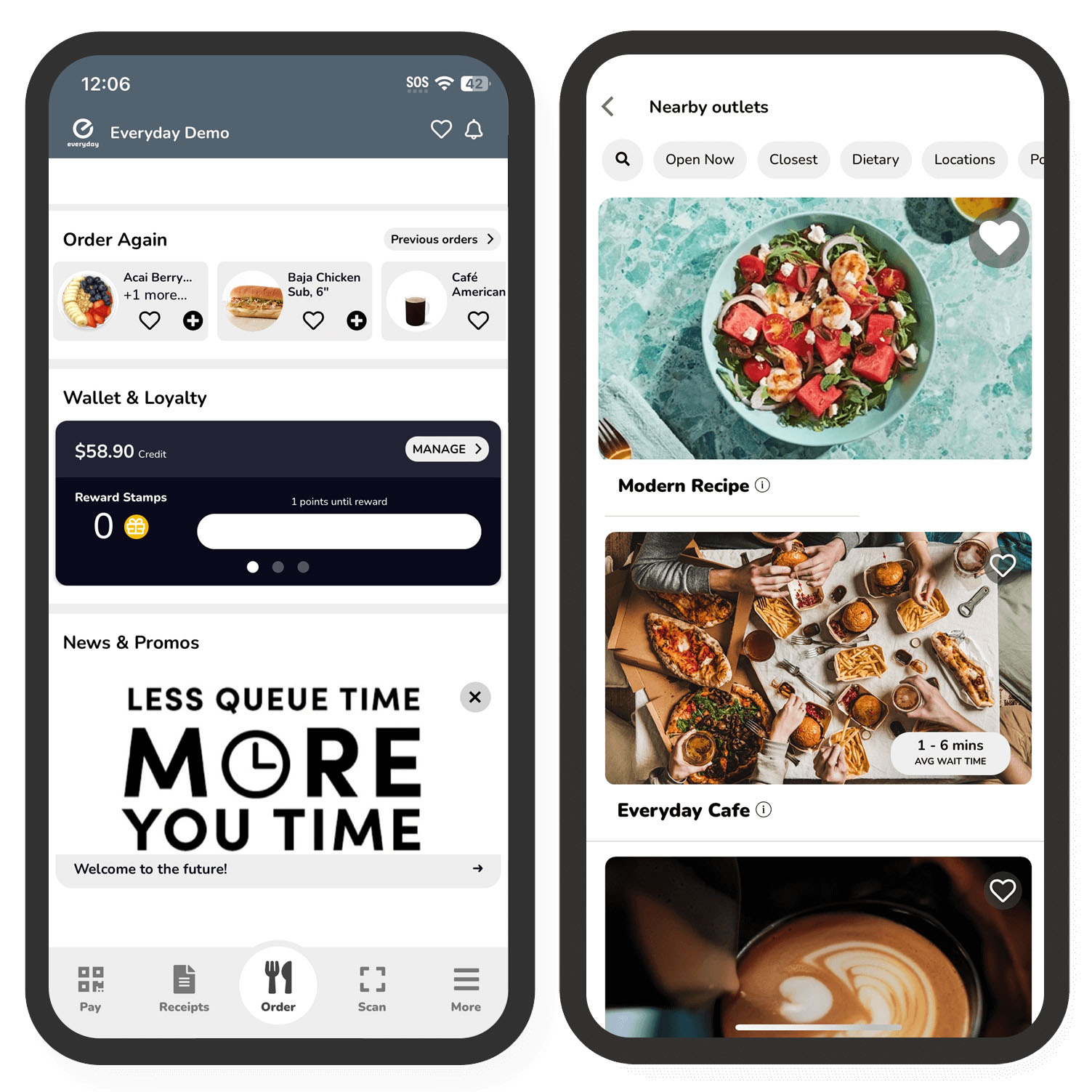
Dining apps can be custom-created or utilize technology developed by food service vendors. One example is the Everyday app by Sodexo, which is currently in use at nearly 400 universities across the United States. When provided by vendors, dining apps can be fully integrated with food preparation and the food options offered on campus.
Pickup Points and Lockers: Designing for On-the-Go Students
Students are often on the go and prefer to avoid long wait times in traditional dining lines. In response, dining services have expanded food choices, introduced display cooking, and implemented diverse service options to attract more students. While these offerings are appealing, many students still prefer to skip the lines entirely. Mobile apps can allow students to browse the full range of meal options, place an order, and schedule a pickup time. Orders can be collected at new service points added to existing dining service areas.
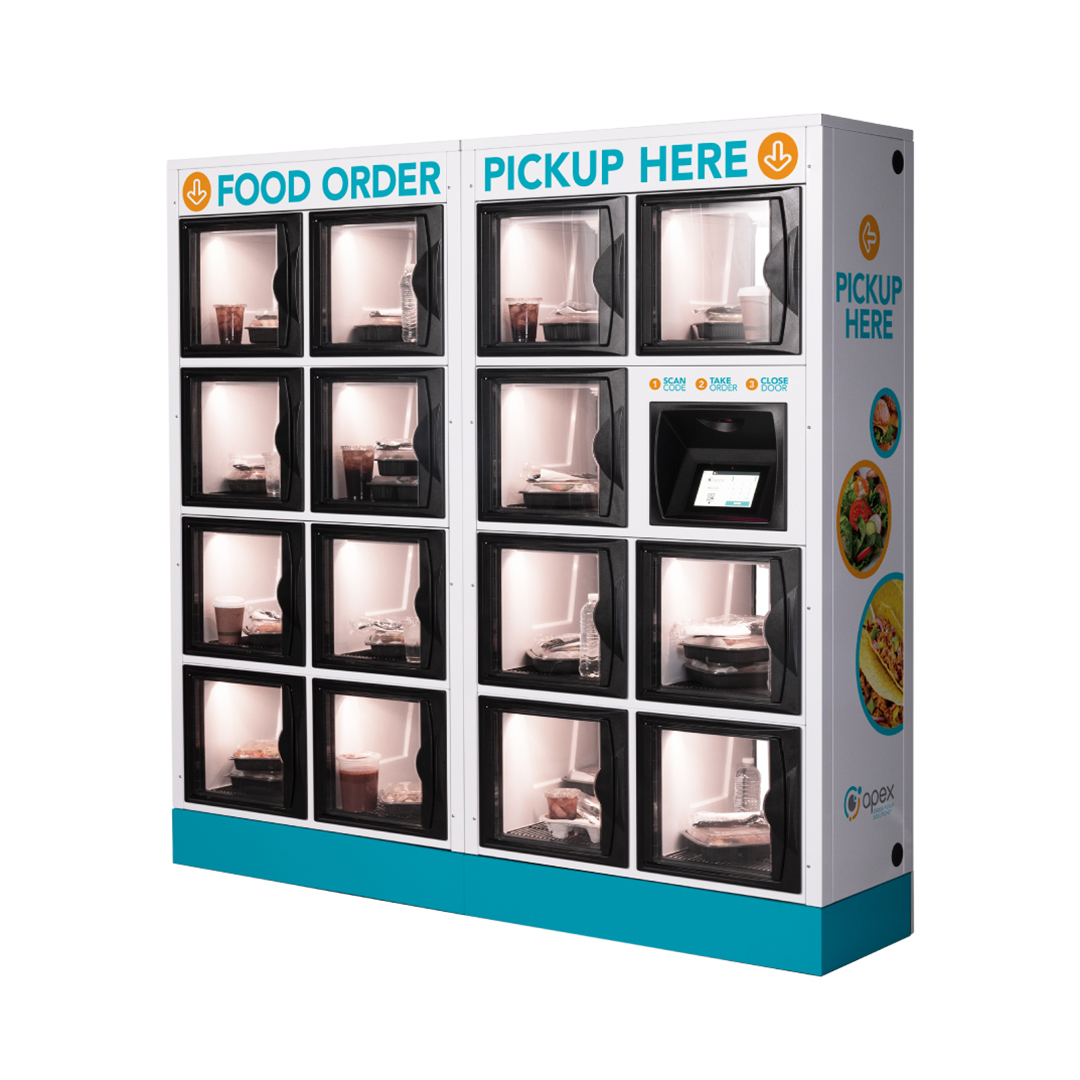
Alternatively, app-based orders can be picked up at dedicated locker locations. At these locations, meals can be stored in temperature-controlled units until picked up. Using a code or phone connection, students can access their assigned locker and retrieve their food conveniently. These lockers can be co-located with dining facilities or located remotely at locations that are convenient for students.
Delivery and Automation: Expanding Dining Options
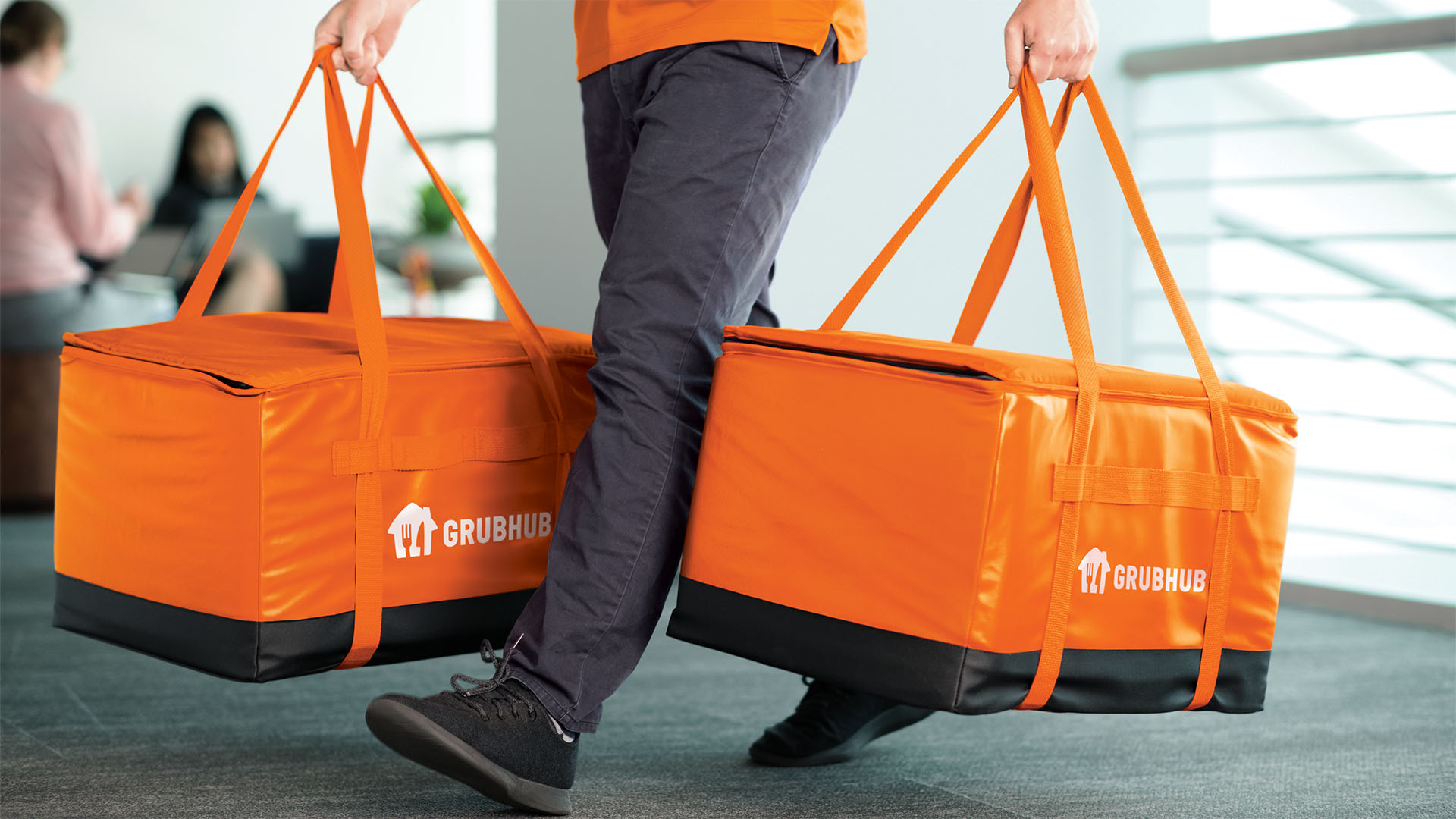
Since their introduction, app-based delivery services have been available to students living on and off campus. Now, many universities integrate third-party food delivery services like Grubhub into their dining programs, allowing students to use meal funds for off-campus restaurant orders. This not only expands dining options but also offers loyalty programs, encouraging students to utilize campus-based options. Delivery services bring food directly to dorms, study spaces, and other campus locations, making meals more accessible amid students’ busy schedules.
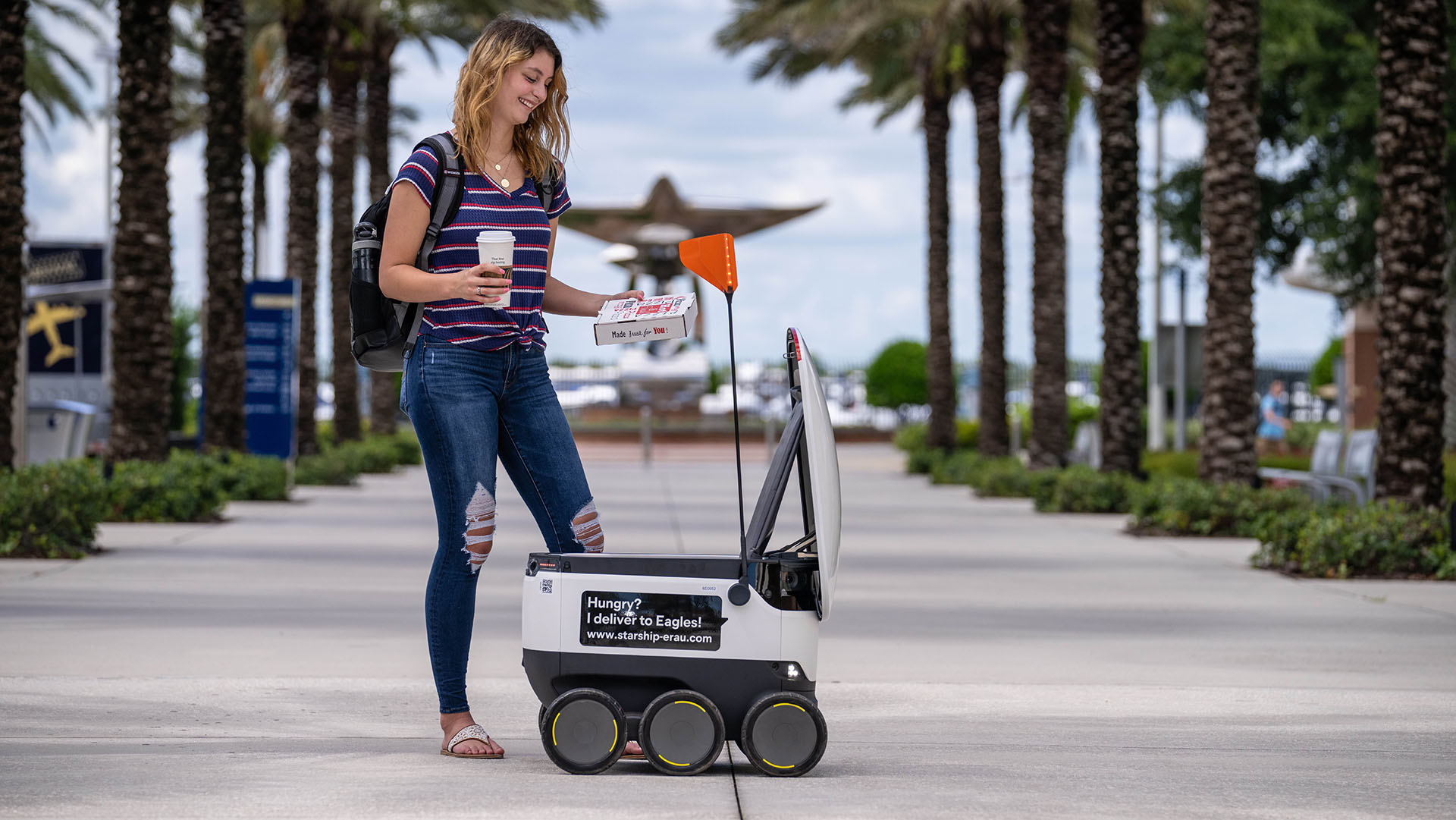
Some campuses have gone a step further with autonomous delivery robots. Starship Technologies has deployed fleets on 50 campuses around the world, using wheeled robots to navigate sidewalks and deliver meals efficiently. At many schools, these robots operate in partnership with Grubhub, expanding restaurant choices, while others integrate them into Sodexo’s dining app. This technology streamlines food service, automating the delivery process and expanding the options available to students. When integrated with dining apps, meal plan funds can be used to cover delivery costs.
Designing for Flexibility: The Spatial Impact
The transition from a model based on display cooking and a wide range of options all in view to one with app-based selection and delivery or lockers for pickup is changing the way dining space is allocated on campuses. One example is the emergence of “ghost” kitchens replacing some traditional dining facilities. Also sometimes referred to as “dark” or “cloud” kitchens, these spaces prepare meals exclusively for delivery or pickup without a traditional dine-in or serving space. This approach allows for more efficient use of space, as it requires less square footage than conventional dining halls and can be located in underutilized or off-site areas. They also support a more scalable and flexible approach to food service, enabling universities to quickly adapt to changing student preferences and dietary needs. Additionally, they can help reduce food waste and labor costs by centralizing production and focusing on high-demand menu items.
Supporting Community Through Thoughtful Design
At DRAW, we approach emerging trends with a focus on enhancing student experience, particularly in how campus spaces support connection and community. While some institutions are exploring more efficient, smaller kitchen and food service areas, it’s clear that dining spaces remain essential to fostering the social interactions that define campus life. Without these in-person connections, student engagement and the overall quality of the campus experience can decline.
In response, several campuses where DRAW is actively involved are prioritizing the creation of dining environments that encourage students to gather. Even as delivery and pickup options become more common, these institutions are intentionally designing shared mealtimes and communal dining experiences. To support this, dining spaces must offer comfortable seating, promote social interaction, and be centrally located and visually inviting, ensuring they become natural hubs of student life and engagement.
At DRAW, we believe that student engagement must be a central consideration in the design of campus spaces. As trends like app-based food ordering and remote pickup continue to shape daily life, it’s essential to integrate these shifts in ways that enhance the student experience. These changes are not limited to college campuses; they’re already influencing high school environments and shaping student expectations even before enrollment.
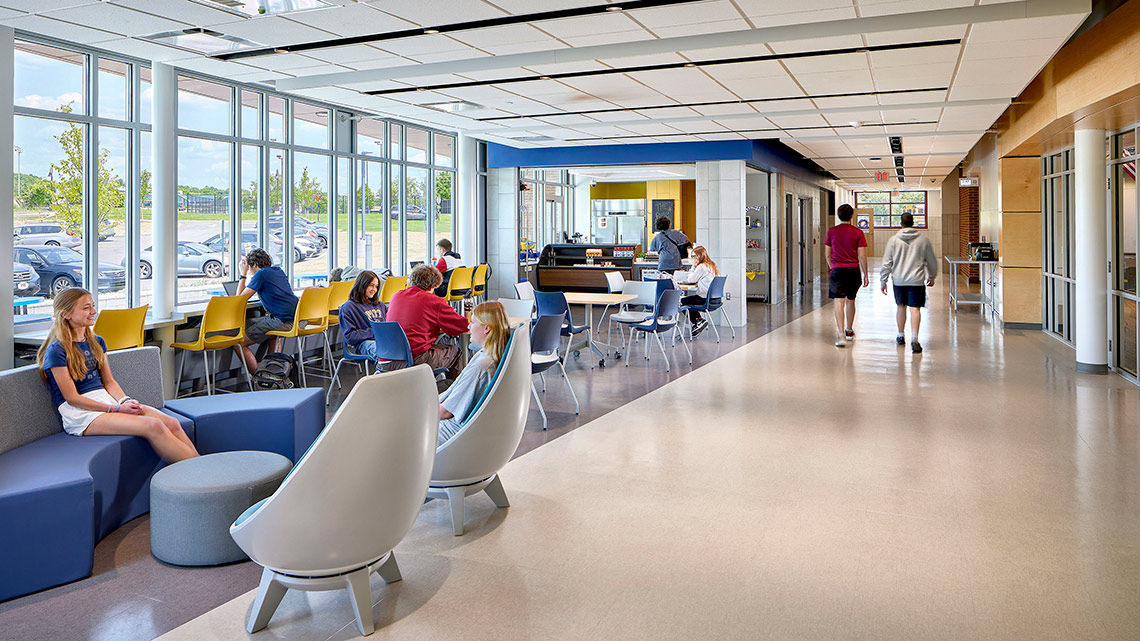
For example, at Hampton High School, the rise in app-based ordering led to increased demand for remote food pickup, allowing students to avoid long cafeteria lines. In response, DRAW incorporated a remote pickup point and café into the design of a new media center located far from the existing main dining area. To support student interaction and dining near this location, a flexible study area was added adjacent to the pickup point. This space now serves as a hub for student gathering throughout the day, offering a convenient and comfortable place to eat, study, and connect. This kind of dual-purpose design can be replicated wherever remote food or delivery services are offered, ensuring that even decentralized dining options continue to foster community and engagement.
At DRAW, we believe we have a critical role to play in shaping the future of campus dining. By designing spaces that balance efficiency with connection, we can ensure that even in a world of ghost kitchens and food lockers, students still find places to gather, share meals, and build community. The future of campus dining isn’t just about food; it’s about the spaces that bring people together.

Chris Brown is a Principal and Higher Education Studio Leader at DRAW. As an experienced academic space planner, he leads the development and implementation of planning and design strategies to allow students to fully utilize learning spaces for real life.