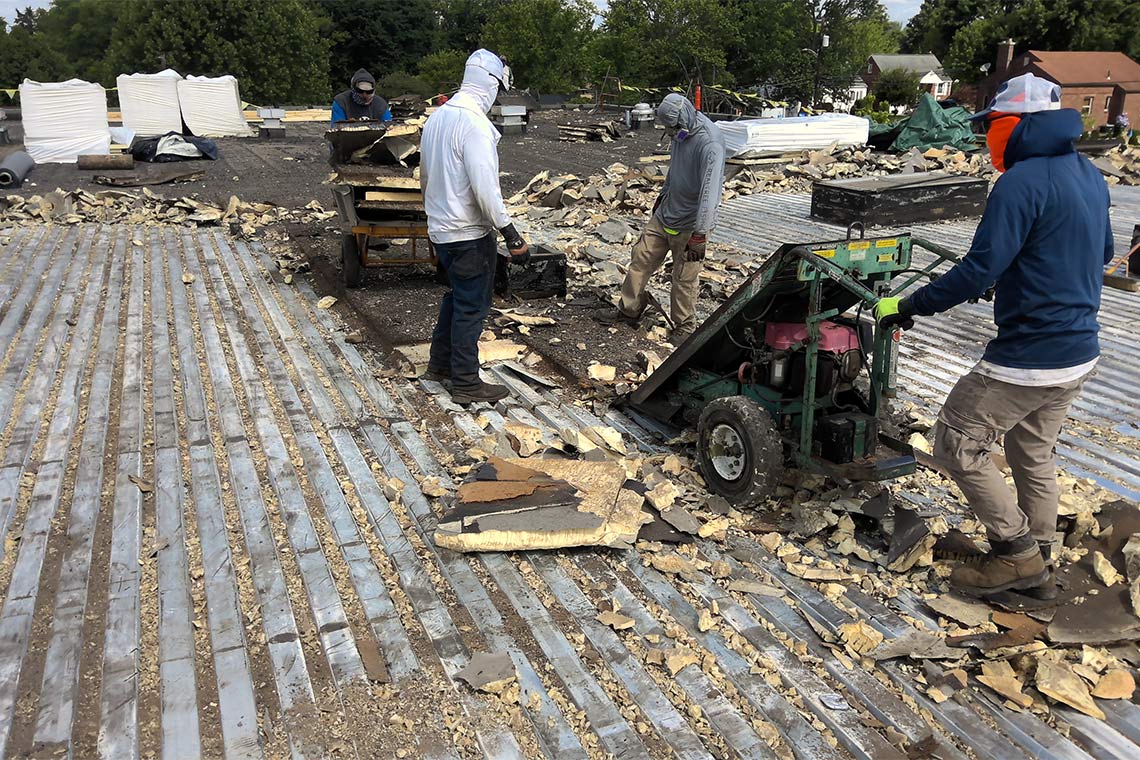
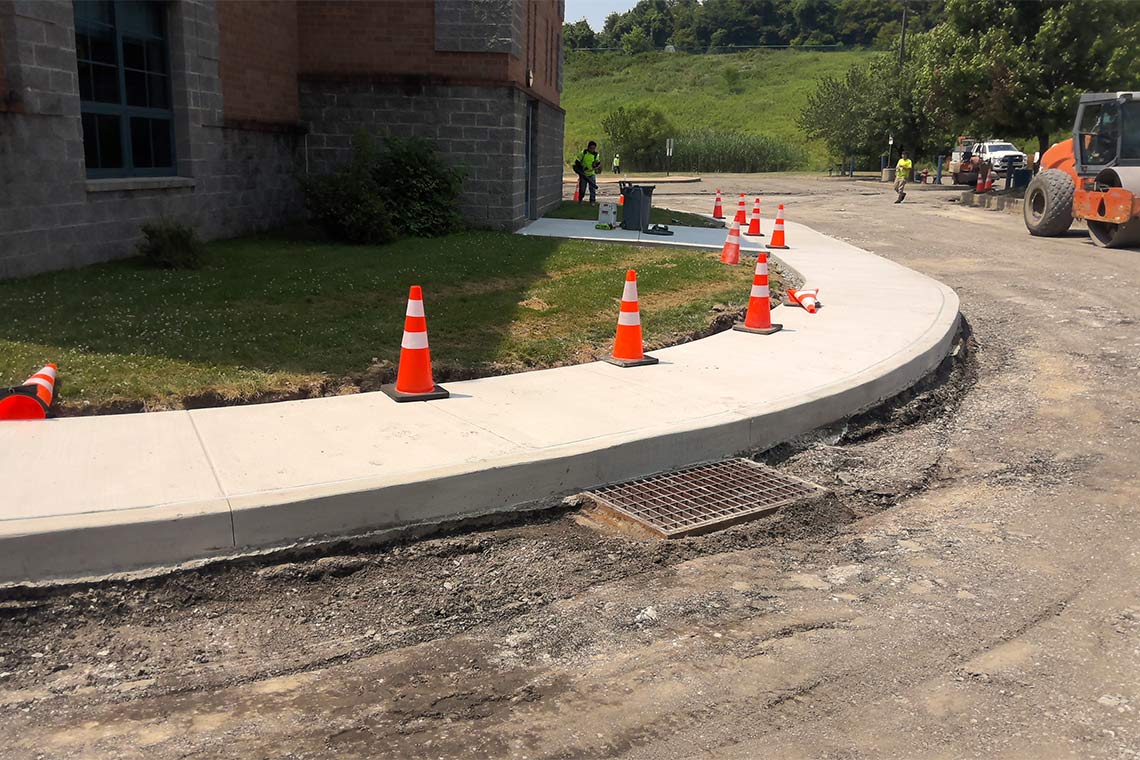
Capital improvement projects are long-term investments in your infrastructure—and successful outcomes depend not only on execution but on the strength of the design behind them. Now is the time to be planning your summer projects.
At DRAW Collective, we specialize in delivering design services that bring clarity, innovation, and efficiency to every phase of a capital improvement project. Whether you’re upgrading facilities, enhancing public spaces, or modernizing mechanical, electrical or plumbing systems, our design expertise will help bring your vision to life with precision and purpose.
Why Design Services Matter:
- Informed Planning – Strategic design helps identify risks and opportunities early, leading to more accurate budgeting and scheduling.
- Improved Functionality – Our designs prioritize long-term usability, sustainability, and community impact.
- Seamless Collaboration – Our integrated approach keeps stakeholders aligned, reducing costly change orders and delays.
- Aesthetic + Efficiency – Great design not only looks good—it works smarter, saves on maintenance costs, is compliant and stands the test of time.
Procurement Considerations – Cooperative Purchasing Agreement vs. Competitive Bidding
Cooperative purchasing programs like Cooperative Purchasing Agreements or KPN, allow local public entities and nonprofit organizations to leverage pre-negotiated contracts with approved suppliers.
Pros:
- Time-Saving: Eliminates the need to prepare and advertise full bid specs.
- Pre-Negotiated Pricing: Vendors have already agreed to competitive terms.
- Flexibility: Buyers can choose from a list of approved vendors and compare offerings.
- Compliance: Meets PA procurement requirements, reducing legal risk.
Cons:
- Limited Vendor Pool: Only Cooperative Purchasing Agreement-approved suppliers can be used.
- Less Price Competition: Pricing is fixed in contracts—no guarantee it’s the lowest available.
- Less Customization: Scope is limited to what’s offered under existing contracts.

Competitive Bidding is the traditional method of procurement that involves publicly advertising project drawings and specs and inviting vendors to submit bids.
Pros:
- Cost Transparency: Encourages competitive pricing and full market engagement.
- Customization: Bids are based on your specific project needs.
- Open Process: Fosters fairness and vendor diversity.
Cons:
- Time-Intensive: Requires detailed bid documents, public advertising, and bid evaluation.
- Risk of Low-Quality Bids: Lowest bid must often be accepted, even if not the best value.
- More Legal Oversight: Higher risk of protests or disputes over awards.
Each method has its place depending on project size, urgency, and desired flexibility. A cooperative purchasing agreement may be ideal for expedited, smaller-scale purchases, while competitive bidding can be suitable for small and large improvement projects where price and customization are key.
We’d love to explore how we can support your next capital improvement project with forward-thinking design solutions or answer your questions about procurement options. Contact Cassi Renninger, DRAW’s K-12 Studio Leader, to discuss your goals and how we can help bring them to life.